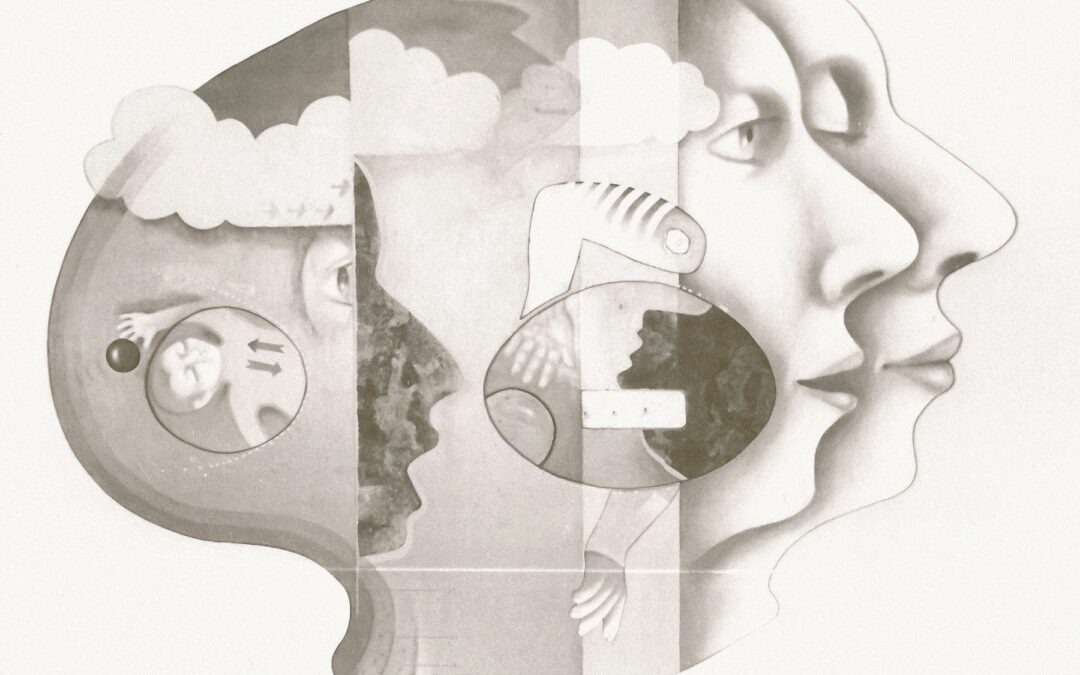
IFS therapy is a transformative healing process based on the belief that we all have a complex system of parts within ourselves: we are many things at once.
The beauty of IFS is that it helps us inhabit more of who we are. We bond more deeply to parts of us who show up in our daily lives, and connect to more of our parts who have been hidden away or are lurking in the background.
This internal interaction takes us on an experiential journey of growth. I use IFS (with clients and myself) to attend to deep wounding and alleviate short- and long-term distress.
The IFS concepts I’ll explain in this article include parts, self, and unburdening. First, some foundational beliefs of the model:
Multiplicity of the mind: All minds are divided into parts, or subpersonalities.
Parts have webs of relationships with each other and function based on these relationships, forming an internal system.
All parts have good intentions, even if those aren’t obvious. They are trying to help us in some way.
There’s an inherent self in everyone. (This doesn’t apply to everyone, but it is an established belief of the model itself so I’ve included it.) Self is a source of unconditional care and support.
Parts in IFS therapy
In IFS, there are two main types of parts, protectors and exiles. Then there are two sub-types of protectors: managers and firefighters.
Managers are good at planning, directing the action, getting us from point A to point B, and keeping us protected. They’re also good at criticizing, suppressing, demanding perfection, controlling, and shaming. Managers are generally proactive.
Firefighters are good at rushing in to save the day by distracting from or soothing distress. They often do this through what become compulsive behaviors. Using substances or eating more than you want to, doomscrolling, shopping to financial burden, or self-harming are all firefighter behaviors. Firefighters are more reactive in their strategies.
Managers and firefighters do what they do partly to protect us from the overwhelming pain, intense emotions, or perceived danger held by exiles.
Exiles are the parts of us, often young, who carry “burdens” from trauma or deeply wounding in the form of terror, hopelessness, shame, abandonment, beliefs like “not good enough,” and more. These parts are kept isolated from our daily awareness through the actions of protective parts so that we don’t become overwhelmed by their big feelings or memories.
Protectors can also have burdens. The difference is that protectors’ burdens fuel some of their actions, while the entire job of exiles is to hold pain. They are kept trapped by our protective systems, and only when unburdened do they get to have agency in how they participate in the inner world.
Self in IFS therapy
Self is a tricky concept. The IFS Institute describes self as a “different level of entity than the parts—often in the center of the ‘you’ that the parts are talking to.”
A lot of IFS teaching leans into the idea of self as soul or spirit. Not everyone is spiritual enough to connect with the idea of self as spirit, and that’s fine. I’m not. I think of self as the seat of consciousness, the place from which I notice my existence and its goings-on.
Self is thought to have specific qualities, which are grouped into eight C words and five P words.
The Cs: compassion, creativity, curiosity, confidence, courage, calm, connectedness, clarity.
The Ps: presence, persistence, perspective, playfulness, patience.
When we find this type of energy, we are touching into a source of care for all our parts that will help our systems move in the direction of healing. These C and P qualities of self are laid out in the original model, but self-energy can show up in a lot of ways. I’ve heard people experience justice-seeking, free wildness, and deep contentment as self energy too.
The key is to figure out how to be attentive to your own well-being. You’ll then sense how your system is organized around the goal of showing up internally and externally in the most centered and resourced way possible.
An important note about self: plurals/multiples (folks who would be diagnosed with dissociative identity disorder in DSM terms) may have no “self” at all. IFS can be quite helpful or quite harmful for this community, depending partly on how much a therapist demands that a client adhere to this framing. I certainly don’t.
Unburdening in IFS therapy
Unburdening is the term IFS uses to talk about helping parts let go of pain so we can experience more inner and outer harmony.
As we get to know our protector parts, they become willing (or even eager) to let us get to know the exiles they have been shielding. We can then bring loving awareness to our exiled experiences and memories in order to help these parts release their burdens when they are ready.
The IFS model provides clear phases to move through, with unburdening the climax of the plot. The general impression many people end up with is that IFS is basically a series of steps building to unburdening, repeated as necessary.
Is unburdening important? Yes. Necessary? Maybe. The only goal? No.
Unburdening is certainly one of the goals of IFS therapy, but it’s not the pinnacle. Working with protectors can easily go on for months before someone’s system is ready for unburdening (and sometimes years, depending on the depth of wounding).
That phase, and the work with protectors that follows unburdening, is just as important. Along the way, protectors might unburden themselves naturally as we come to appreciate their value in our inner world.
Not all painful emotions need unburdening. IFS is not meant to be a form of spiritual bypass. For instance, I have grief over something that is ongoing and will continue to affect me every day. This grief is part of my life. To treat the grieving parts of me as if they need unburdening would be to dismiss the experience that feeling grows from.
The takeaway
IFS therapy is a creative way of approaching personal healing and growth that engages with the individual as a system of subpersonalities, each with their own memories, thoughts, feelings, and life tasks. Some parts are young and hurt. Other parts go to great lengths to protect us from that pain. We thrive when we cultivate relationships with and meet the assorted needs of all these parts.